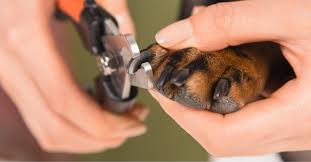
The Importance of Routine Nail Trims for Dogs
Regular nail trims are an essential part of your dog’s health and well-being. Overgrown nails can cause discomfort, pain, and even long-term issues such as joint problems and an altered gait; which can lead to arthritis. While the idea of trimming your dog’s nails at home might seem daunting, with the right approach—and some extra care —it can be a manageable and positive experience.
In this post, I’ll cover why nail trims are important, how to safely perform them at home, proper restraint techniques, tips for desensitizing your dog to nail trims, and what to do if you accidentally cut the quick.
Why Nail Trims Matter
A dog’s nails play a critical role in their movement and posture. When nails grow too long, they can interfere with the natural alignment of the paw, forcing the dog to adjust how they walk or stand. This can lead to joint stress, arthritis, and chronic pain over time.
Overgrown nails are also more prone to splitting, breaking, or snagging, which can result in injury or infection. In extreme cases, excessively long nails may curl into the paw pad, causing significant pain and requiring veterinary intervention.
Tips for Desensitizing Puppies and Fearful Dogs
For puppies or dogs who are fearful of nail trims, desensitization is key. Patience and positive reinforcement can help build trust and reduce anxiety. Here are some tips:
- Start Early and Slowly: Introduce puppies to paw handling as soon as possible. Regularly touch their paws during cuddle sessions, rewarding them with treats and praise for staying calm.
- Get Them Used to Tools: Let your dog sniff and investigate the clippers or grinder without using them. Reward any calm or curious behavior. For grinders, turn it on nearby without using it to get them accustomed to the sound.
- Break it Down: Don’t aim to trim all the nails in one sitting. Start by trimming one or two nails per session. Gradually increase as your dog becomes more comfortable.
- Pair with Positives: Use high-value treats, peanut butter, or a lick mat during nail trims. This creates a positive association with the process.
- Practice Without Trimming: Mimic the motions of a nail trim by holding the paw and pretending to clip. This helps dogs get used to the handling without the stress of the actual trim.
- Stay Calm and Patient: Dogs pick up on your energy. Speak softly, move slowly, and remain relaxed to help keep your dog at ease.
How to Perform Nail Trims Safely
- Gather Supplies: Use quality nail clippers or a grinder, styptic powder (or cornstarch), and treats.
- Create a Relaxing Environment: Choose a quiet, distraction-free area. A calm setting helps reduce stress for both you and your dog.
- Locate the Quick: The quick, a blood vessel in the nail, is visible in light-colored nails as a pink area. For dark nails, trim small amounts at a time to avoid cutting it.
- Clip Carefully: Hold the paw gently but securely. Trim the nail at a slight angle, removing just the tip. A grinder can be used to smooth edges if your dog tolerates it.
Proper Restraint for Nail Trims
Proper restraint is essential to keep your dog safe and calm during nail trims. For small dogs, holding them on your lap or placing them on a stable surface works well. Use one hand to hold the paw and the other to trim.
For larger or more wiggly dogs, enlist a helper. One person can use the “hug hold” to gently secure the dog by wrapping an arm around their chest while the other trims the nails. The goal is to keep the dog steady without causing fear or discomfort.
What to Do If You Accidentally Cut the Quick
Cutting the quick can cause bleeding and some discomfort, but it’s not an emergency. If this happens:
- Stay Calm: Reassure your dog and avoid reacting with panic.
- Apply Styptic Powder: Use styptic powder or cornstarch to stop the bleeding. Gently press the powder onto the nail and hold pressure for a few seconds.
- Give a Break: Allow your dog to relax before continuing. If they’re too stressed, stop the session and try again another day.
- Monitor for Re-Injury: Keep your dog from vigorous activity for a day or two to avoid reopening the wound.
Final Thoughts
Routine nail trims are more than just a grooming task—they’re vital for your dog’s health. Regular maintenance helps prevent pain, injury, and long-term complications. For puppies and fearful dogs, desensitization and a gradual approach can make nail trims less stressful and even enjoyable over time.
By taking the time to make nail trims a positive experience, you’re ensuring your dog’s comfort and strengthening your bond with them. If you’re unsure or need guidance, don’t hesitate to consult your veterinarian or a professional groomer.
 Paws and Wander
Leave a comment