How to Find and Select the Right Veterinarian for You and Your Dog
Choosing the right veterinarian is one of the most important decisions you’ll make for your dog’s health and well-being. A great veterinarian does more than treat illnesses; they partner with you to ensure your dog enjoys a long, healthy, and happy life. With so many options available, how do you find the right one? This guide will help you navigate the process and make an informed choice.
1. Start with Research
The first step in finding the right vet is doing thorough research.
- Ask for Recommendations: Friends, family, neighbors, and even local dog trainers can provide valuable insights based on their experiences.
- Online Reviews: Look up veterinary clinics in your area on platforms like Google, Yelp, or social media. Pay attention to consistent themes in reviews—both positive and negative.
- Check Credentials: Ensure the veterinarian is licensed and, ideally, a member of professional organizations like the American Veterinary Medical Association (AVMA). Clinics accredited by the American Animal Hospital Association (AAHA) meet high standards of care.
2. Consider Location and Hours
Convenience matters when it comes to veterinary care.
- Proximity: Choose a clinic that’s close enough for routine visits and emergencies.
- Hours of Operation: Make sure their schedule aligns with yours. If you work full-time, look for a clinic with evening or weekend hours.
- Emergency Services: Ask about their protocol for after-hours emergencies. Some clinics offer 24/7 care, while others refer you to a separate emergency hospital.
3. Evaluate the Clinic’s Services
Different clinics offer varying levels of care. Consider your dog’s specific needs:
- General Wellness: Routine exams, vaccinations, and preventative care should be available.
- Diagnostics and Treatment: Check if the clinic offers in-house diagnostics like X-rays, bloodwork, or advanced treatments for chronic conditions.
- Specialized Services: If your dog has unique needs—like orthopedic issues or behavioral concerns—ask if the clinic has specialists or partners with referral centers.
- Complementary Care: Some clinics offer holistic services like acupuncture, chiropractic care, or nutritional counseling.
4. Visit the Clinic
A tour of the clinic can provide a wealth of information.
- Cleanliness: The facility should be clean, well-organized, and free of strong odors.
- Staff Interaction: Observe how the staff interacts with pets and clients. Friendly, compassionate, and professional staff are a good sign.
- Waiting Room Atmosphere: A calm, comfortable waiting area helps reduce stress for your dog.
5. Assess Communication and Compatibility
Your veterinarian should feel like a trusted partner.
- Approachability: Are they willing to answer your questions and explain diagnoses or treatment plans in plain language?
- Respect for Your Input: A good vet listens to your concerns and values your knowledge of your dog.
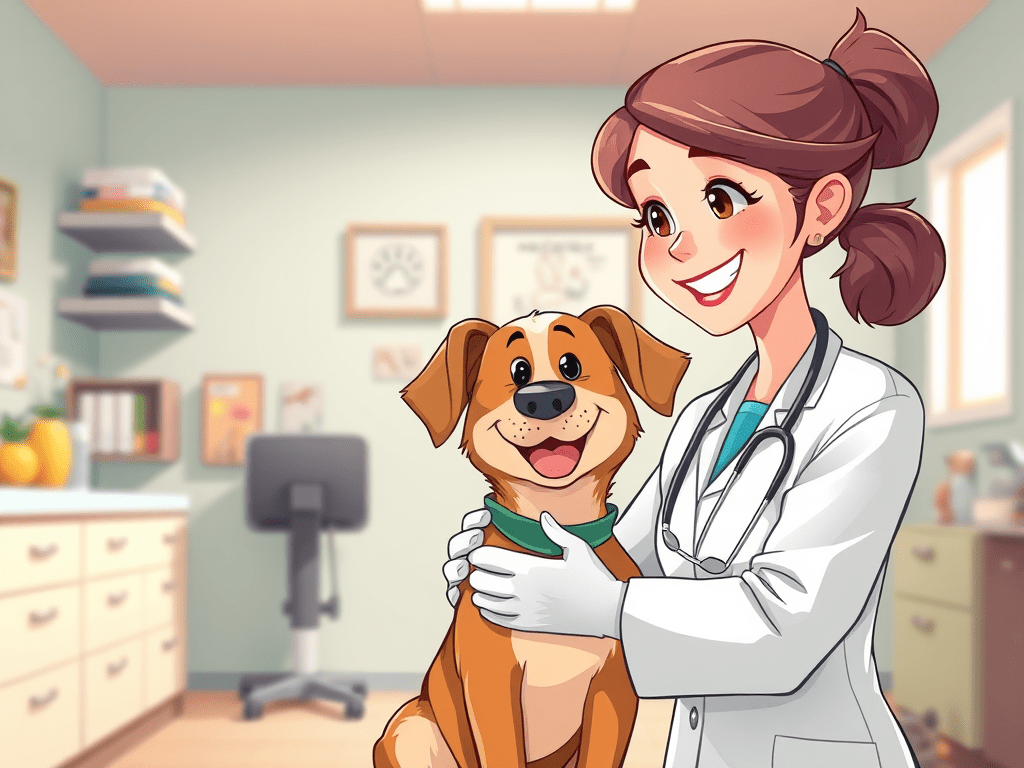
- Compassionate Care: Observe how the vet interacts with your dog during your first visit. Gentle handling and a calm demeanor are essential, especially for nervous dogs.
6. Budget and Costs
Veterinary care is an investment, but it’s important to find a clinic that fits your budget.
- Transparency: The clinic should be upfront about pricing for exams, treatments, and procedures.
- Payment Options: Ask if they offer payment plans or accept pet insurance.
- Value Over Cost: While affordability matters, prioritize quality care over choosing the cheapest option.
7. Trust Your Instincts
At the end of the day, your gut feeling is a powerful tool. If something doesn’t feel right during your visit or if you feel rushed or dismissed, it’s okay to keep looking. Your dog deserves the best care, and so do you.
Final Thoughts
Finding the right veterinarian takes time, but it’s well worth the effort. The right vet will not only provide excellent care for your dog but will also support you in making informed decisions about their health. By prioritizing communication, trust, and a shared commitment to your dog’s well-being, you’ll build a partnership that benefits your furry friend for years to come.
Remember, it’s okay to visit multiple clinics or even switch veterinarians if your needs change. The goal is to find a vet who feels like an extension of your dog’s family. After all, their health and happiness are in your hands.
 Paws and Wander
Leave a comment